
Root canal treatment
Root canal treatment in Palafrugell to remove infected nerve tissue, ease the pain and save the tooth, re-treatment included.

Root canal treatment
Inside every tooth there is soft tissue containing nerves and blood vessels. When deep decay, a fracture or a knock reaches it, that tissue becomes inflamed or infected and the familiar pain appears: throbbing that will not go, discomfort with hot food, or pain that wakes you at night. Root canal treatment empties that space, disinfects it and seals it.
What is removed is the tooth’s nerve supply, not the tooth itself. Once treated, it stays in place and chews normally, which is why root canal treatment is so often the alternative to extraction. Depending on how far the damage has gone, your age and whether the tooth has been treated before, we will carry out a root canal, a re-treatment, a pulpotomy, a pulpectomy or an apicectomy.
If you are in pain, ring us and we will try to fit you in quickly. Nerve pain rarely settles on its own and painkillers only buy time; the sooner it is treated, the easier it is to keep the tooth.
What it includes: Root canal treatment
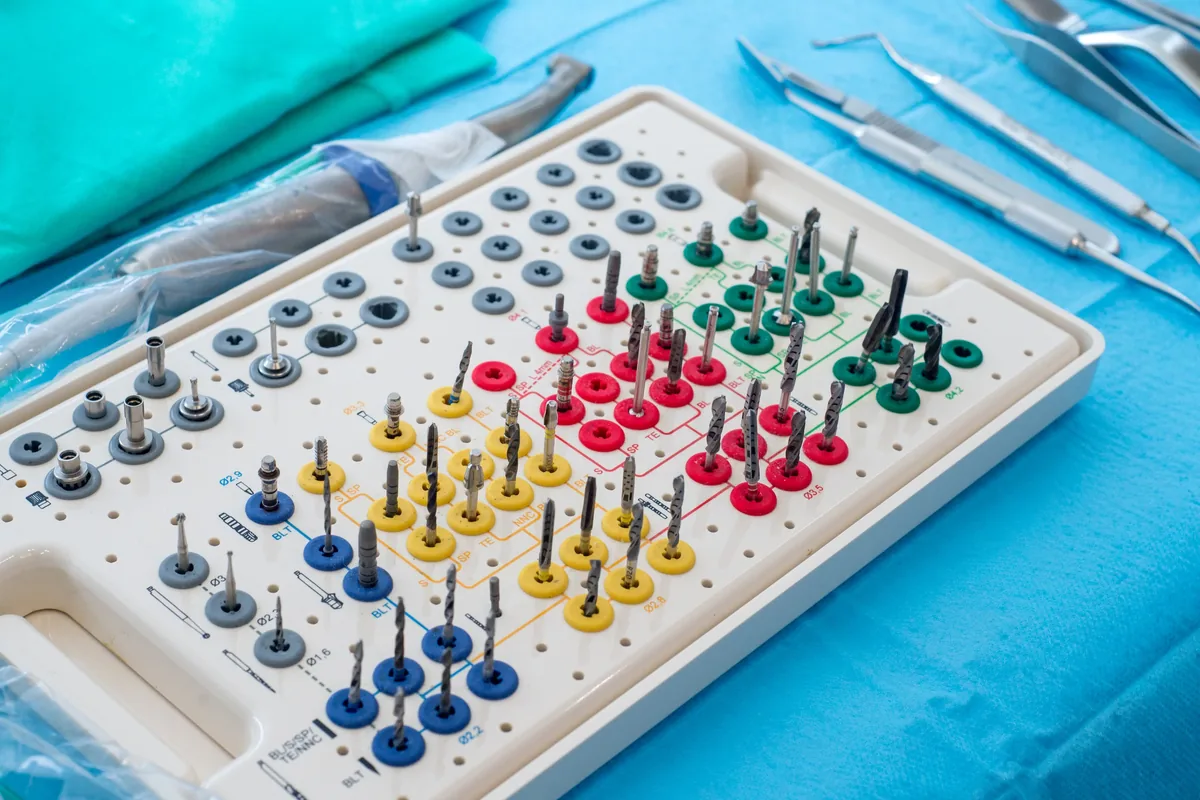
- Root canal treatment. We remove the inflamed or infected nerve tissue, clean and shape the canals and seal them so bacteria cannot get back in.
- Root canal re-treatment. When a previously treated tooth hurts again or shows a lesion on the X-ray, we remove the old filling material and redo the canal treatment.
- Pulpotomy. In baby teeth and some young permanent teeth, we remove only the upper part of the tissue and leave the rest of the root alive.
- Pulpectomy. Complete cleaning of the canal in affected baby teeth, so the tooth can be kept until it falls out naturally.
- Apicectomy. Minor surgery to remove the tip of the root and the surrounding lesion when infection persists after canal treatment.
- Rebuilding the tooth afterwards. A root-treated tooth is more brittle: we rebuild it and, on back teeth, often recommend an inlay or a crown so it does not fracture.
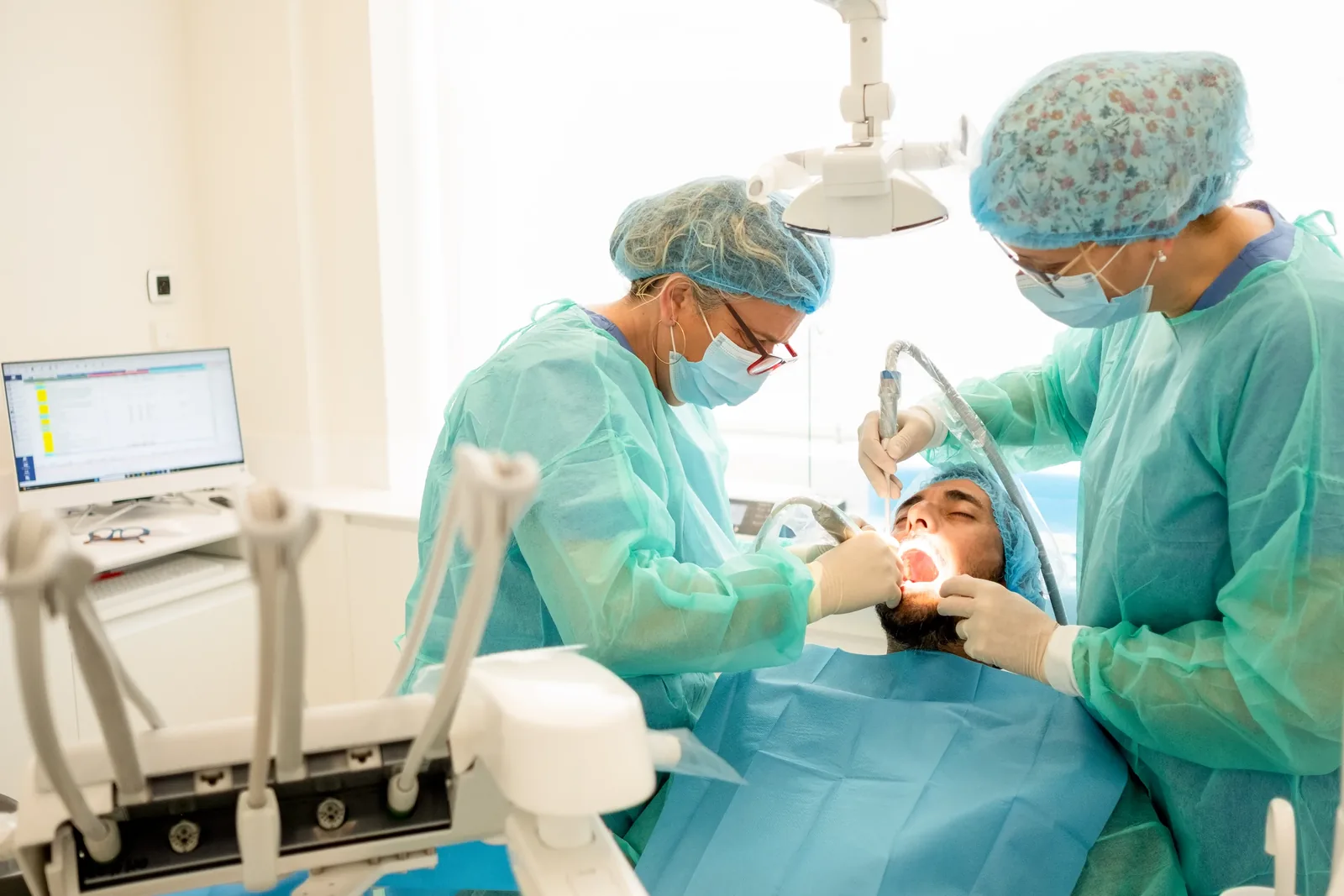
How we do it
Every treatment begins with an examination and a detailed quote. This is how it usually works:
- 01
Appointment and diagnosis
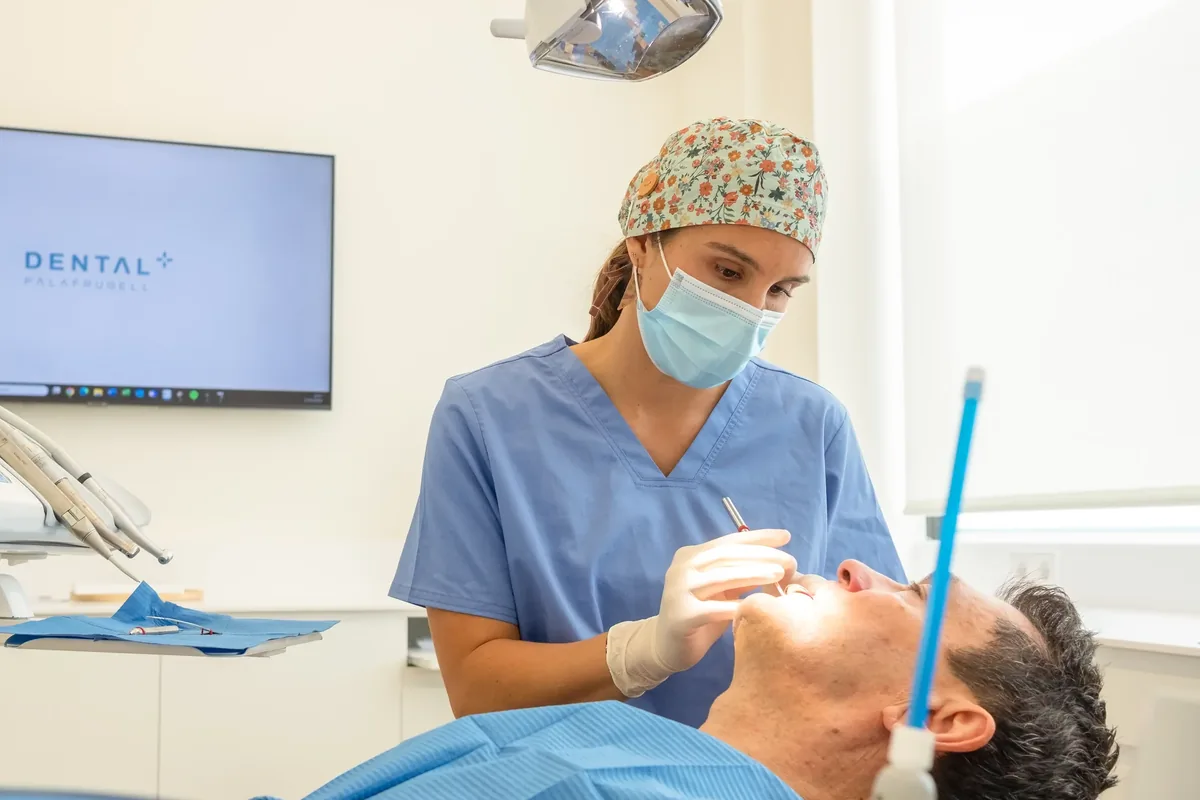
We examine the tooth, test how it responds to cold and to tapping, and take an X-ray to see the roots and any lesion at the tip.
- 02
Plan and estimate
We explain whether the tooth can be saved, how many appointments it will take and what comes afterwards, with a written estimate before we start.
- 03
Treating the canals
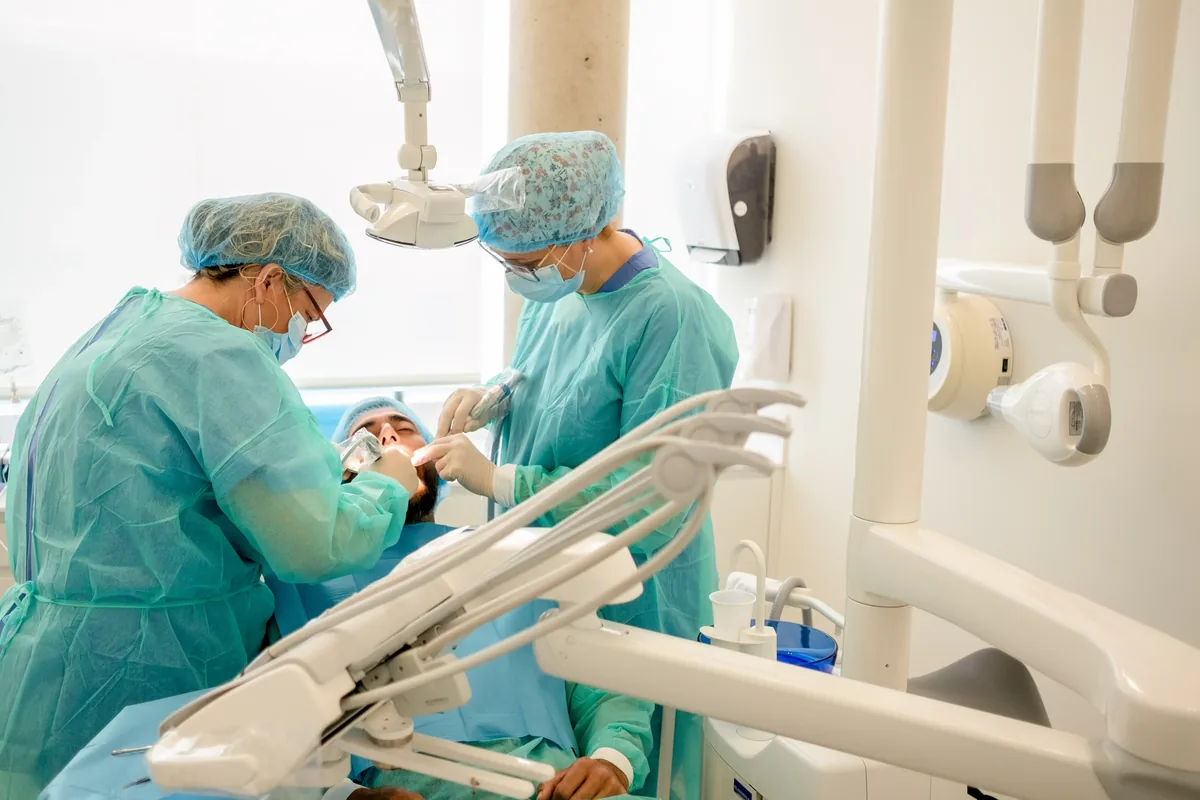
With local anaesthetic and the tooth isolated, we clean and seal the canals. It is often done in one appointment; in badly infected or multi-rooted teeth, in two.
- 04
Restoration and review
We rebuild the visible part of the tooth and, some months later, take an X-ray to confirm the lesion has healed.
Have something to eat beforehand: the appointment can take an hour and half your mouth will stay numb for a while afterwards. Do tell us if you take anticoagulants or antibiotics, if you are allergic to any medication or if you are pregnant. Over the following days it is normal for the tooth to feel tender when chewing; if the pain increases or swelling appears, ring us on 972 30 65 64.
Accepted by most dental insurers. Give us a call and we'll tell you whether we work with yours.
Panoramic X-rays and dental CT scans are taken at Centre Mèdic Palafrugell, part of the same group, at Plaça de Catalunya, 5.
Who will see you
 Dra. Glòria Rodrigo DavanProsthodontics and aesthetics, general dentistryRead her profile →
 Dra. Maria Hernández ImazPeriodontics and general dentistryRead her profile →
 Dra. Isabel García BorràsEndodonticsRead her profile →
 Dra. Sandra Font de RubinatProsthodontics and aesthetics, general dentistryRead her profile →
Frequently asked questions about Root canal treatment
Does root canal treatment hurt?
The treatment is done under local anaesthetic and, once the tooth is numb, you should not feel pain. What really hurts is the inflamed nerve before it is treated. Afterwards the tooth may be tender when you chew for a few days, and an ordinary painkiller keeps that under control.
How many appointments does it take?
Most teeth are dealt with in a single appointment of forty-five minutes to an hour. If the tooth is badly infected or the canals are awkward, it is done over two visits, with a dressing left inside the tooth in between.
Will I need a crown afterwards?
On back teeth, nearly always: the tooth becomes more brittle and a crown or inlay protects it from fracturing. On front teeth a composite restoration is often enough. We will tell you which applies when we draw up your treatment plan.
Does my insurance cover root canal treatment?
It depends on your policy. Some insurers cover part of it or apply an agreed rate, while others do not include it. Ask us with your insurance details and we will check before treatment begins.

Other treatments

Call or write to us
The quickest way is the phone: we'll answer straight away and find you a time. If you'd rather write, send the contact form and we'll get back to you as soon as we can.