
Children’s dentistry
Children’s dentistry in Palafrugell: check-ups, sealants, fluoride and treatment with a paediatric dentist on the team.
Children’s dentistry
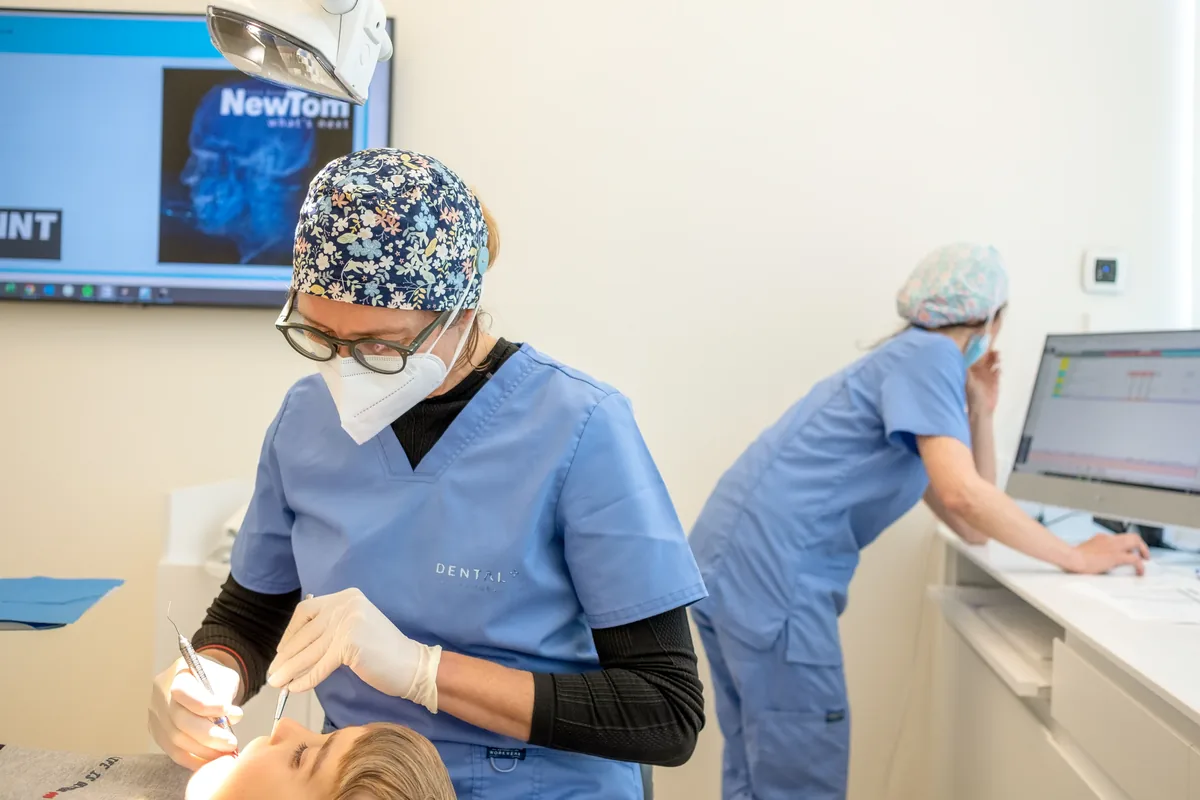
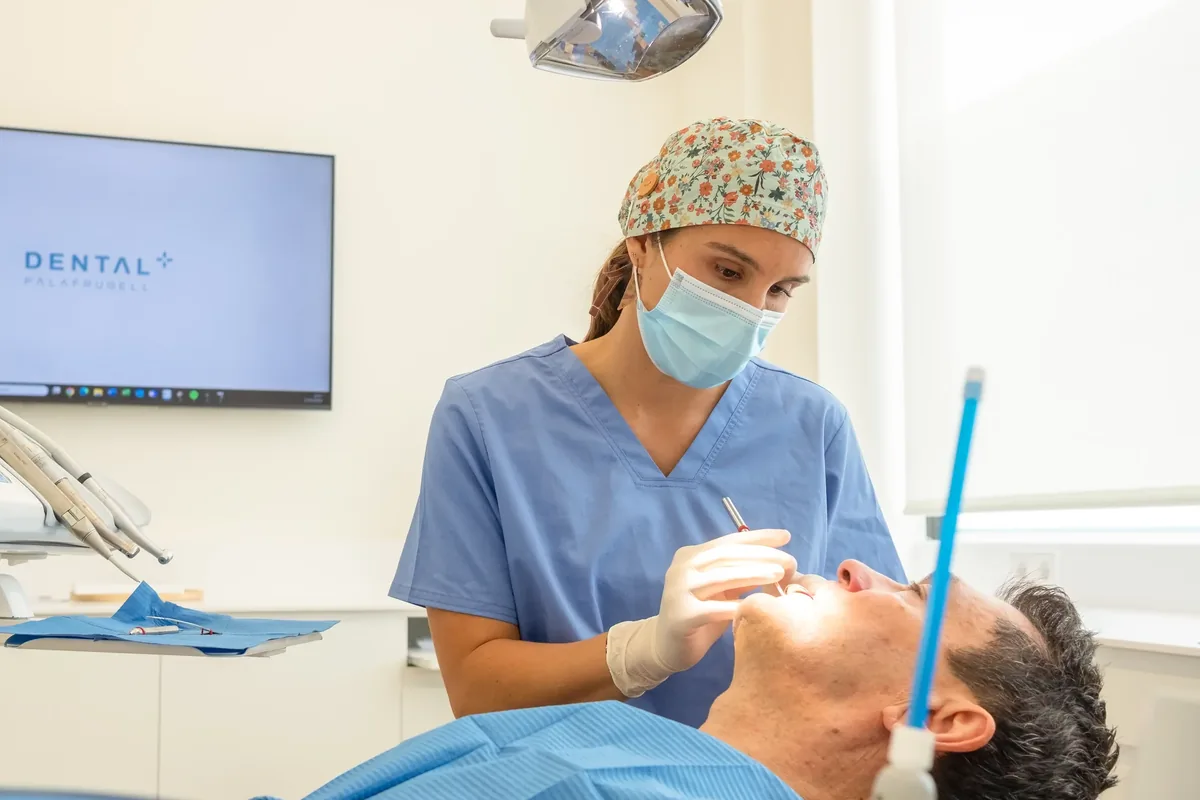
Children are seen by Georgina Puigvert, the practice’s paediatric dentist, and the work is above all preventive: regular check-ups to catch decay while it is still small, sealants on back teeth with deep grooves, and fluoride applications when a child is prone to cavities. The idea is simple: the earlier the check-ups start, the less treatment is needed later and the better the memories the child keeps of the dentist.
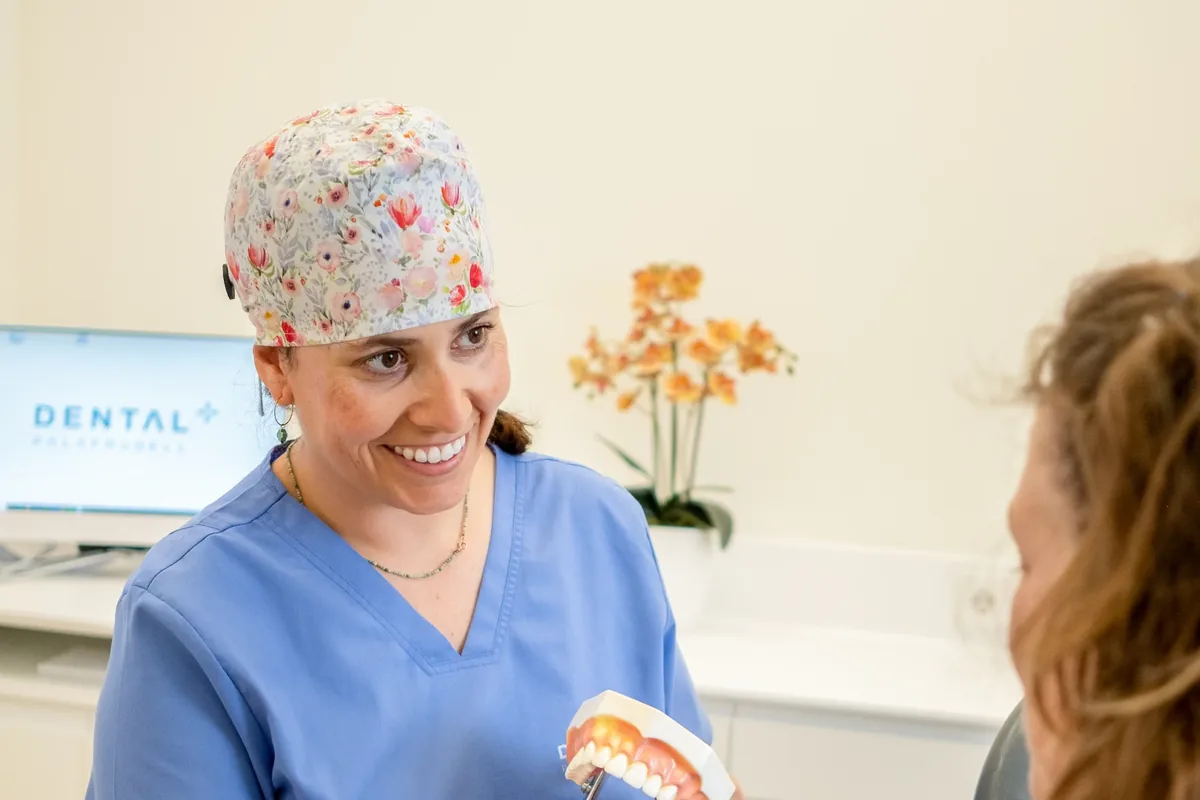
The other half of the job is educational, and it is aimed at the parents as much as the child. We explain how to brush properly at each age, when to start flossing, which foods and drinks do more harm than people expect, and how to take sugar out of everyday routines.
When treatment is needed, we go at the child’s pace. A first visit is often just about sitting in the chair, looking at their teeth in the mirror and leaving happy, because what matters is that the dentist never becomes something to fear. From there a filling, root treatment or extraction can be done without any drama.
What it includes: Children’s dentistry
- Preventive check-ups. Every six to twelve months depending on decay risk, to follow how the adult teeth are coming through and spot problems while they are still easy to sort out.
- Fissure sealants. When the grooves in the back teeth are very deep, brushing does not reach and decay starts easily. We seal them with a flowable material, with no injection and no discomfort, so they are easier to keep clean.
- Fluoride applications. Regular fluoride applications to strengthen the enamel in children who are prone to cavities. They take a few minutes at the same appointment.
- Brushing and diet advice. We teach the brushing technique that suits each age, which toothpaste and how much to use, and go over the eating habits behind most childhood decay.
- Fillings. Fillings in both milk and adult teeth. Treating decay in a baby tooth prevents pain, infection and the tooth being lost too early.
- Pulpotomy and pulpectomy. Root treatment in milk teeth once decay has reached the nerve: the affected tissue is removed, partly or completely, and the tooth is rebuilt so it lasts until it falls out naturally.
- Extractions and children’s orthodontics. When a milk tooth cannot be saved we remove it and assess whether a space maintainer is needed. We also monitor growth so orthodontics can start at the right moment.
How we do it
Every treatment begins with an examination and a detailed quote. This is how it usually works:
- 01
First visit
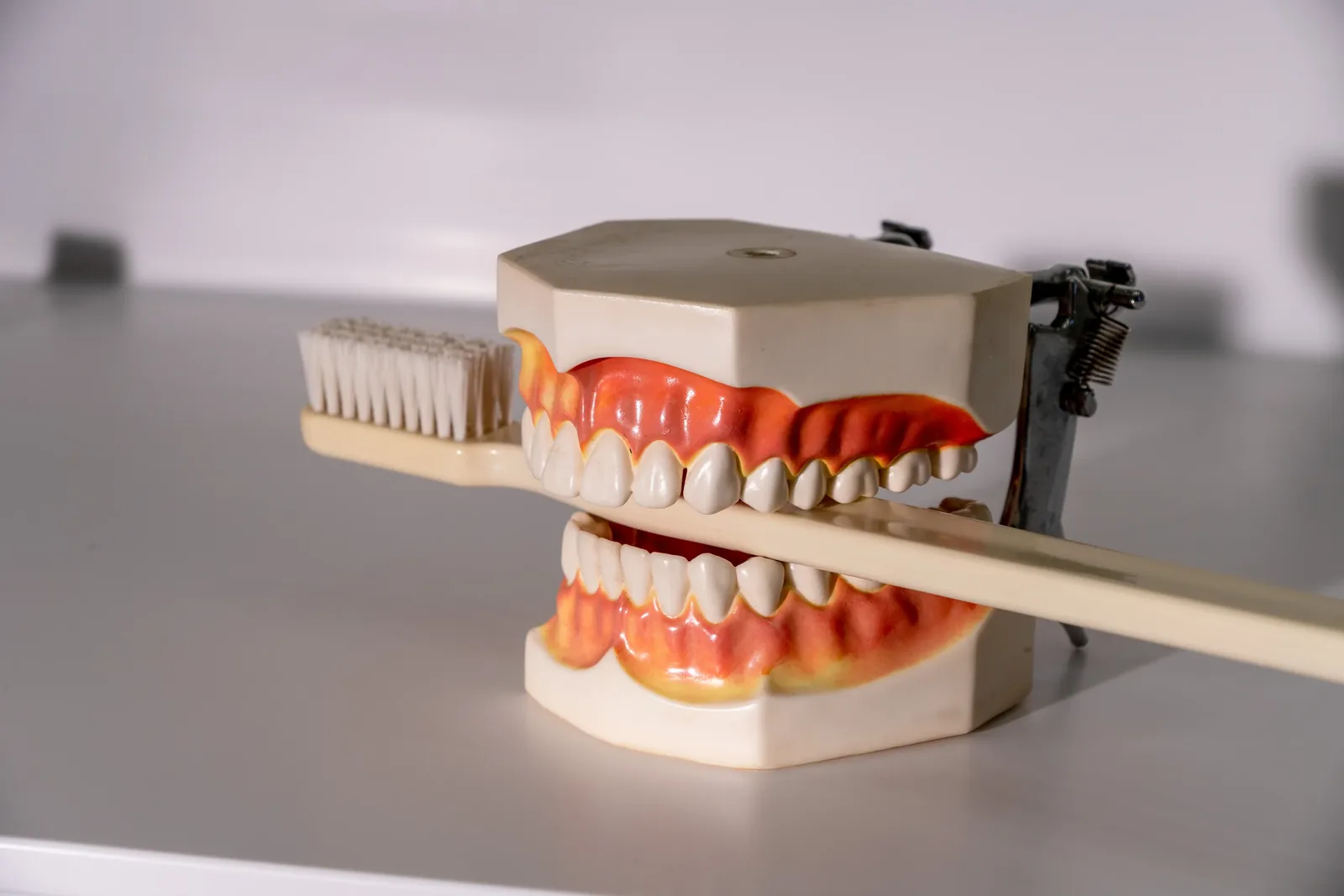
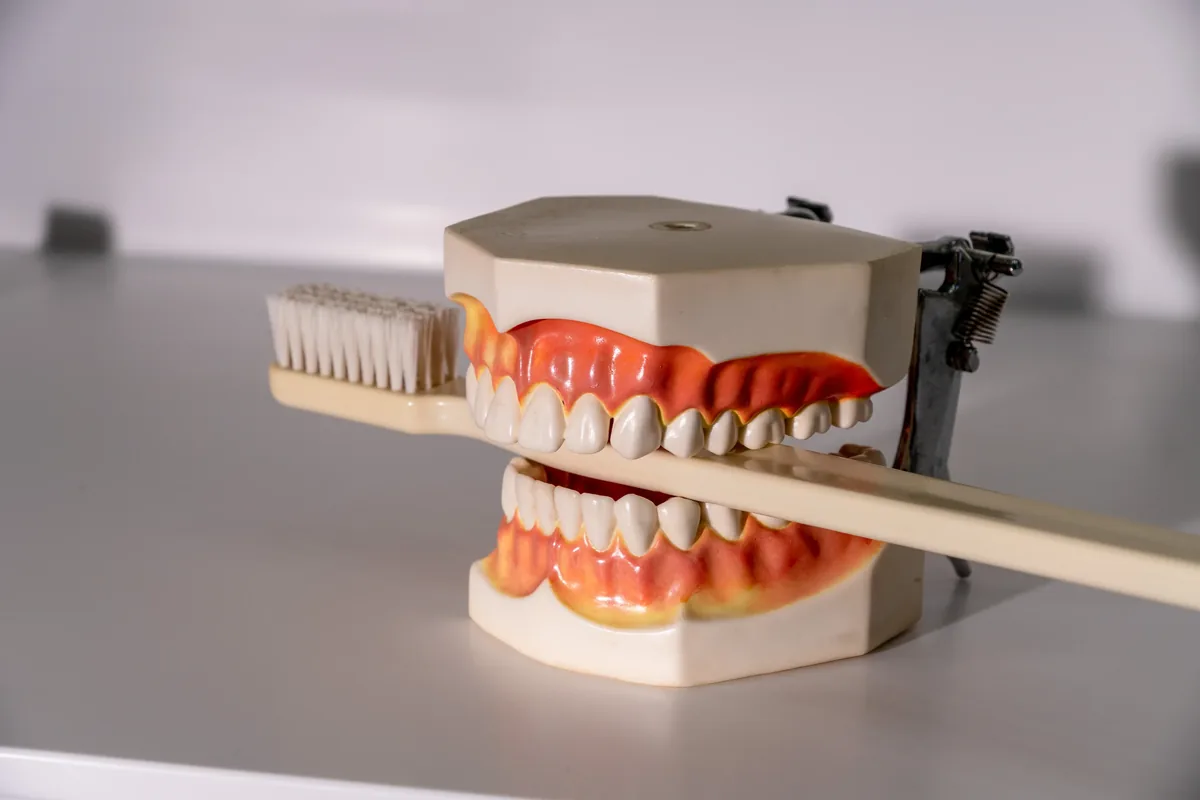
A relaxed visit to get to know each other: we look at the teeth, show them the instruments and count how many they have. If the child is comfortable, we do the full check-up there and then.
- 02
Assessment and plan
We explain what we have found, the child’s level of decay risk and what should be done — sealants, fluoride or treatment — with a written quote and clear priorities.
- 03
Treatment at the child’s pace
We work in short sessions, explaining each step in words they understand and never rushing. When an injection is needed, numbing gel goes on first so they do not feel it.
- 04
Following growth
At every check-up we look at how the teeth are being replaced, the space available and the bite, so we can tell in good time whether orthodontics will be needed and when to start.
Until they are seven or eight, children do not have the dexterity to brush on their own: an adult needs to go over it, especially at night. Milk teeth matter even though they will fall out, because they hold the space for the adult ones and an infection can affect the tooth developing underneath. And if there is a knock and a tooth is broken or loosened, ring us the same day on 972 30 65 64: the first few hours count for a great deal.
Accepted by most dental insurers. Give us a call and we'll tell you whether we work with yours.
Panoramic X-rays and dental CT scans are taken at Centre Mèdic Palafrugell, part of the same group, at Plaça de Catalunya, 5.
Who will see you
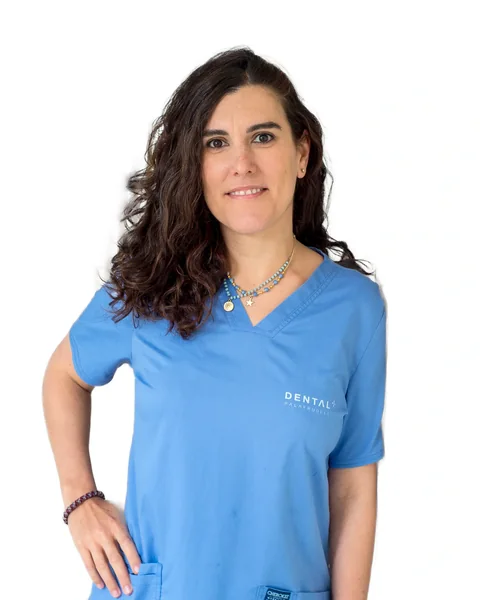 Dra. Glòria Rodrigo DavanProsthodontics and aesthetics, general dentistryRead her profile →
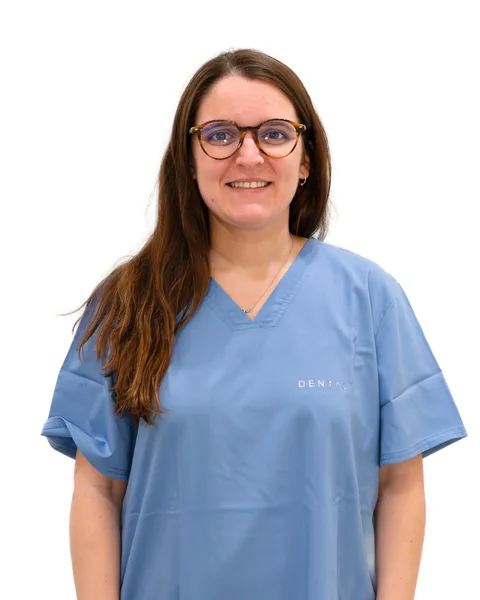 Georgina PuigvertPaediatric dentistry
Frequently asked questions about Children’s dentistry
When should a child first see a dentist?
At around their first birthday, or when the first teeth appear, if only so they get used to the place and we can go over habits with you. From three years, a yearly check-up; and at six or seven we also look at how the jaws are growing and whether orthodontics may be needed.
Will it hurt? What if my child is frightened?
Sealants and fluoride do not hurt at all and need no anaesthetic. Fillings and root treatments are done under local anaesthetic, with numbing gel first so the injection is not felt. With anxious children we take it slowly: introductory visits where nothing is done, until they gain confidence. You are welcome to come in with them if you are relaxed about it.
Is it worth treating decay in a milk tooth?
Yes. Untreated decay eventually hurts, can become infected and may cause the tooth to be lost years early, which lets the neighbouring teeth drift and complicates the adult tooth coming through. If the tooth is about to be replaced anyway we sometimes just monitor it; we decide that from the X-ray and the child’s age.
Is children’s dentistry covered by insurance?
Often yes for the preventive side: many dental policies include children’s check-ups, fluoride and sealants, and apply agreed rates to other treatments. As it varies a great deal between policies, tell us which one you have when you ring 972 30 65 64 and we will check it for you.
Call or write to us
The quickest way is the phone: we'll answer straight away and find you a time. If you'd rather write, send the contact form and we'll get back to you as soon as we can.