
Bruxism and TMJ
Treating teeth grinding and temporomandibular joint problems in Palafrugell, mainly with a custom bite splint.
Bruxism and TMJ
Bruxism is the involuntary habit of clenching or grinding your teeth, often without realising it and mostly while you sleep. The force involved is far greater than chewing and, night after night, it wears down the enamel, chips the edges and overloads the temporomandibular joint, the one that connects the lower jaw to the skull just in front of the ear.
The signs that bring people in are fairly recognisable: waking with a tired jaw or a morning headache, a click when you open your mouth, sensitivity to cold with no decay to explain it, or a partner who says they can hear you grinding at night. Many people are surprised to hear the diagnosis, because clenching happens while you are asleep and leaves no memory of itself.
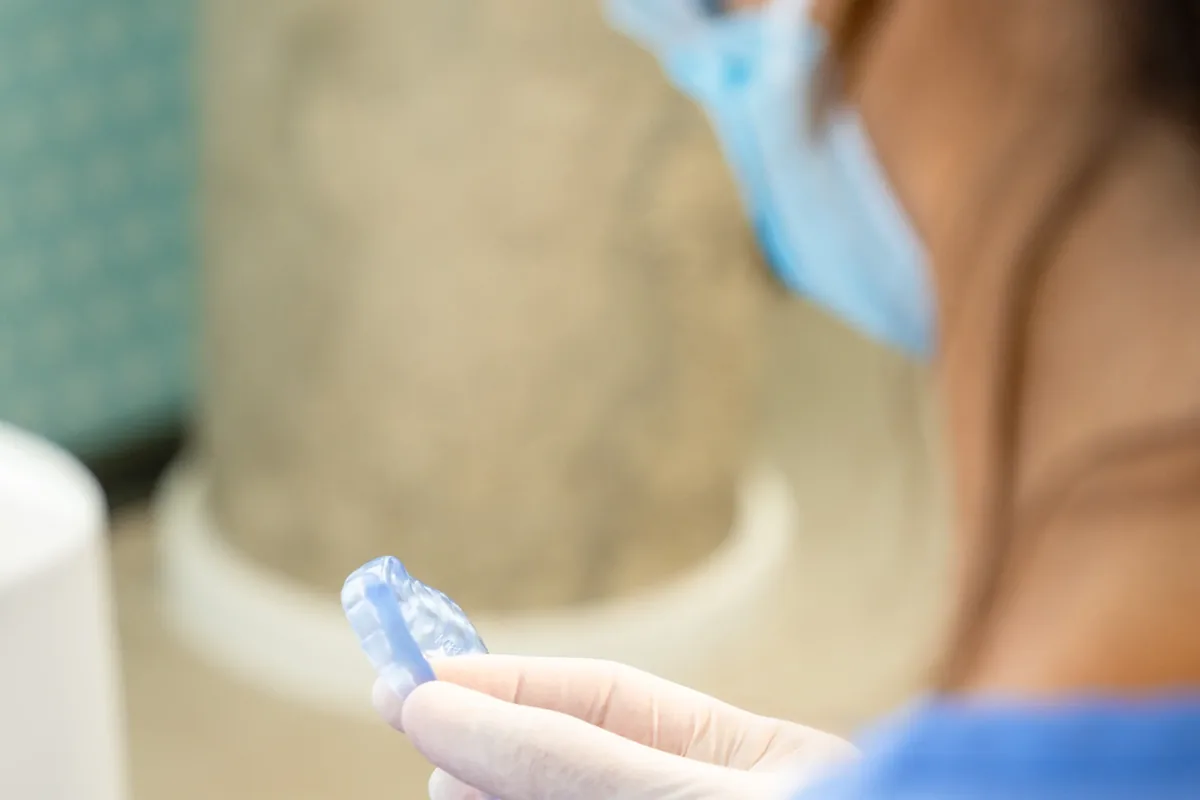
The usual treatment is a custom-made bite splint: it does not stop the habit, but it spreads the load, protects the teeth from wear and rests the muscles and the joint. From there we look at what else is feeding the habit — stress, sleep, the way your bite closes — and, where needed, rebuild the teeth that have already worn down so they regain their proper shape and height.
What it includes: Bruxism and TMJ
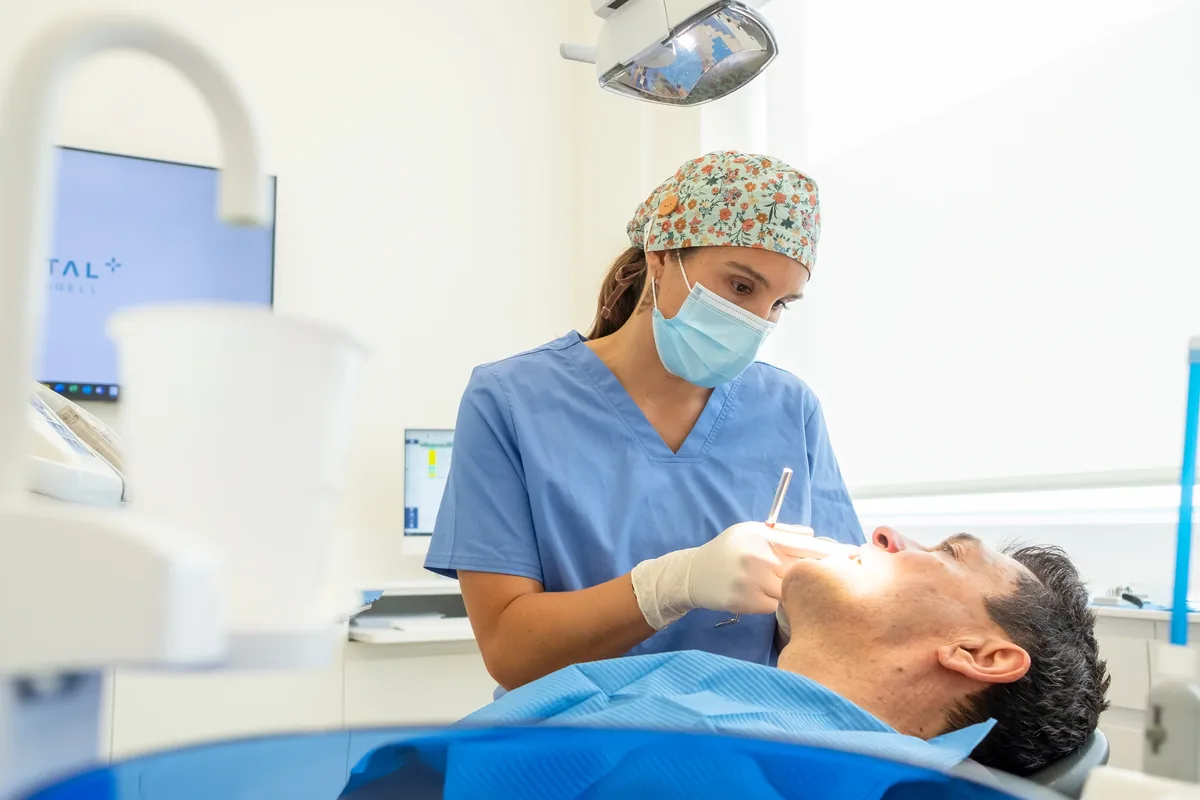
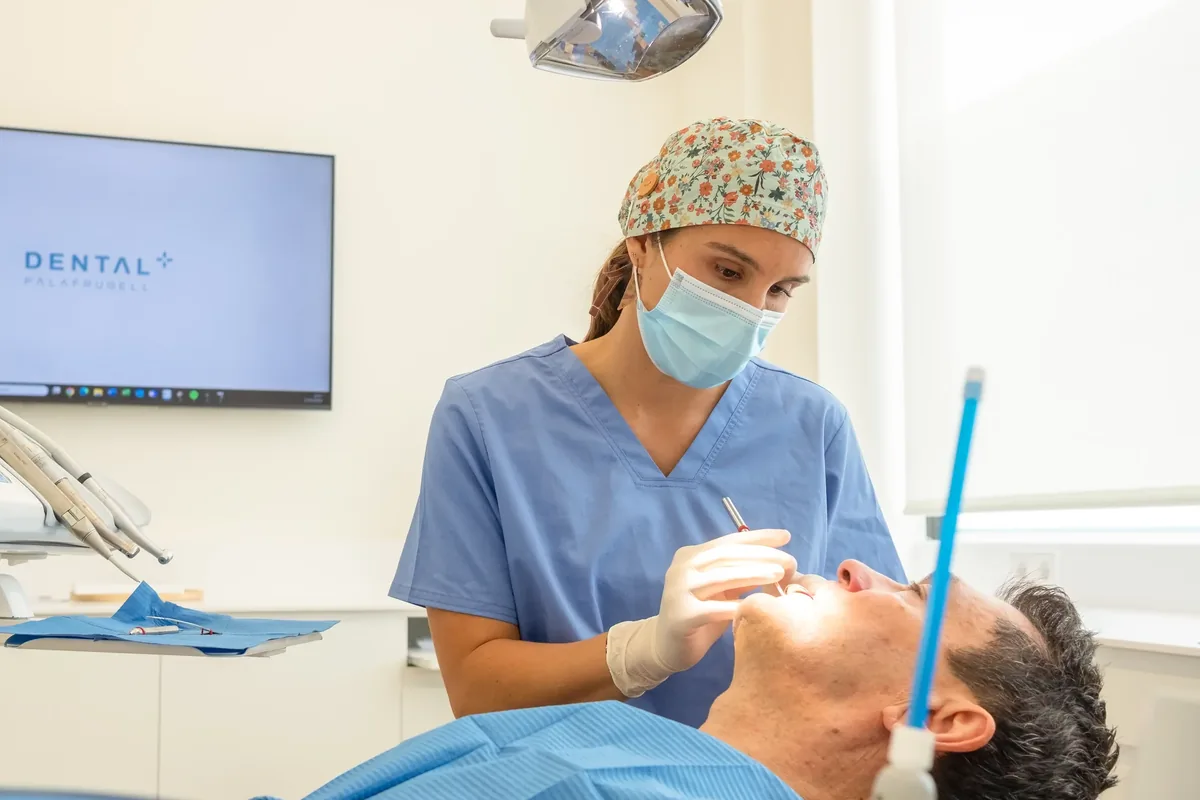
- Assessing wear and the joint. We look at the tooth surfaces, at how you open and close, whether there are noises or deviation, and which muscles are tender to the touch.
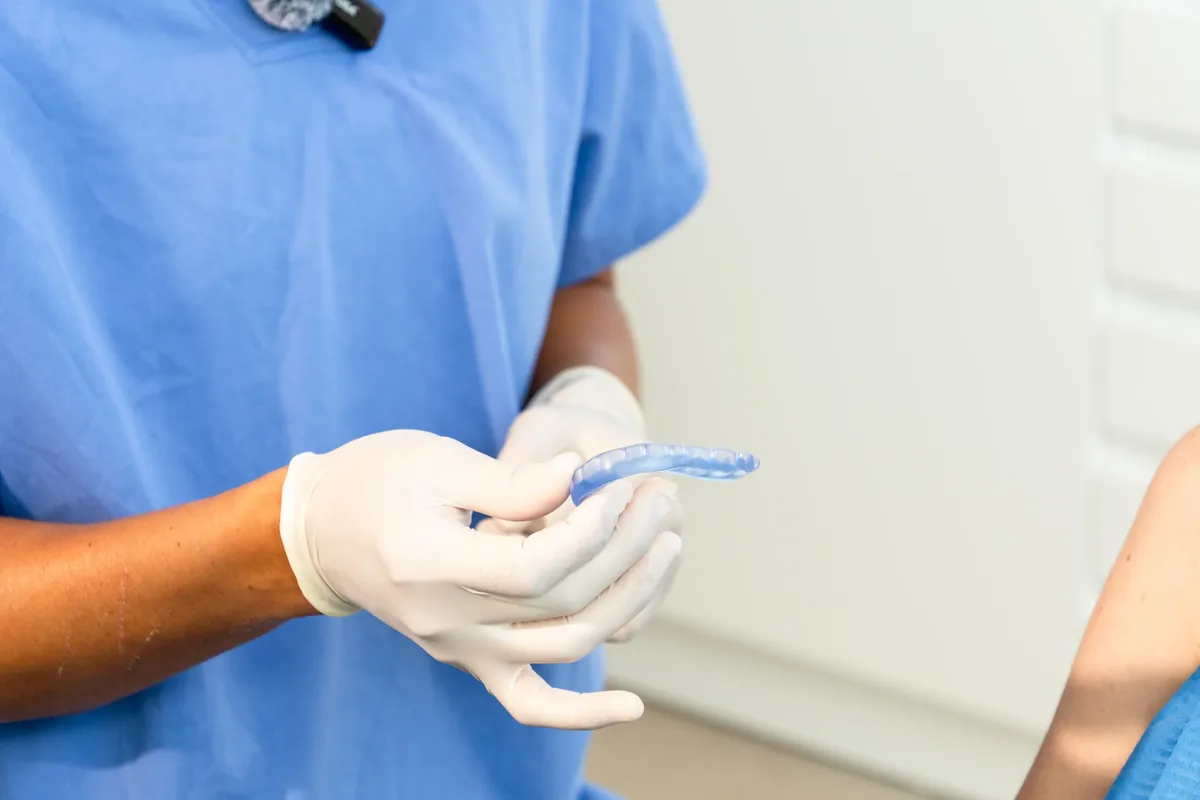
- Custom bite splint. A clear rigid splint made to measure in the laboratory that you wear at night. It protects the enamel, spreads the load and relaxes the muscles.
- Splint adjustment. On the day we fit it we refine the contacts so the bite is evenly balanced, and we check it again a few weeks later — that adjustment is what makes it work.
- Self-care advice. Local heat on the muscles, avoiding chewing gum and very hard foods, gentle jaw relaxation exercises, and noticing the moments in the day when you catch yourself clenching.
- Restoring worn teeth. Where grinding has already shortened or chipped the teeth, they can be rebuilt with composite or crowns, always once the splint has settled things down.
- Referral when appropriate. If the joint pain is significant or your jaw locks when opening, we refer you to orofacial physiotherapy or the appropriate specialist to complete the treatment.
How we do it
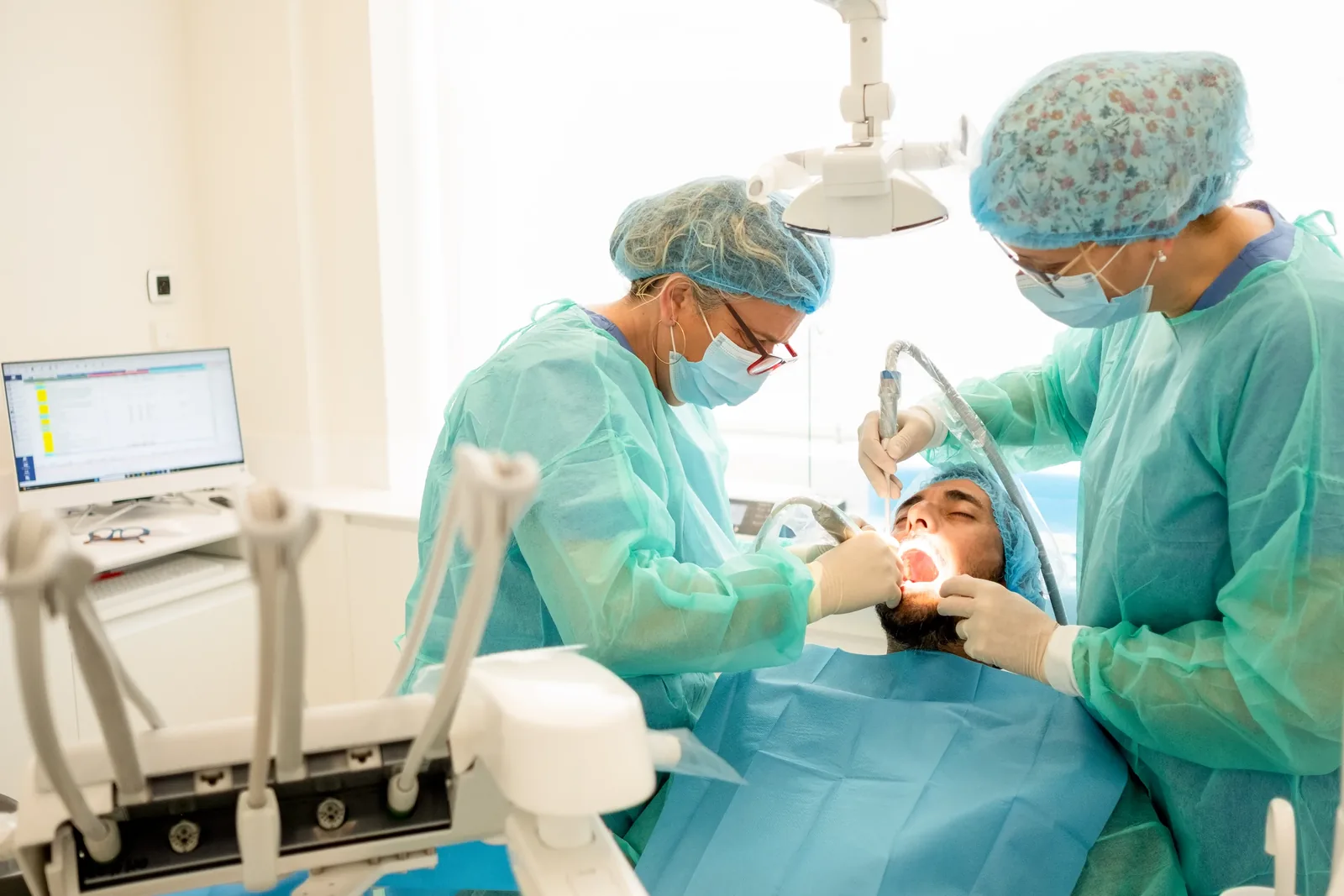
Every treatment begins with an examination and a detailed quote. This is how it usually works:
- 01
First appointment and diagnosis
You describe the symptoms — morning headaches, noises, sensitivity — and we examine the teeth, muscles and joint to confirm what is going on.
- 02
Plan and quote
We propose the type of splint indicated and, if wear is already advanced, the order in which the teeth should be restored. All with a written quote.
- 03
Records and fitting
We take records of your bite, the laboratory makes the splint and, at a second appointment, we fit it and adjust the contacts.
- 04
Follow-up
After a month we review how you are sleeping with the splint and how the muscles feel, and we then check it at every yearly review to see how the wear marks are developing.
Bruxism is usually bound up with stress, with sleep and sometimes with a bite that does not meet properly, so it is a habit to be managed rather than an illness to be cured. The splint does its job for as long as the habit lasts: wear it every night, clean it with cold water and a brush, and bring it to your reviews so we can see how it is wearing. If your jaw starts locking when you open or the pain is getting worse, do not wait for the yearly check.
Accepted by most dental insurers. Give us a call and we'll tell you whether we work with yours.
Panoramic X-rays and dental CT scans are taken at Centre Mèdic Palafrugell, part of the same group, at Plaça de Catalunya, 5.


Frequently asked questions about Bruxism and TMJ
Is it uncomfortable to sleep with a splint?
The first few nights it feels odd and may make you salivate more, but most patients get used to it within a week. If it presses on one spot or the bite feels uneven, ring us: it takes five minutes to adjust and there is no need to put up with it.
How long before I feel better?
Morning headaches and that tired-jaw feeling usually improve within two or three weeks of consistent use. Joint noises may not disappear completely, although the pain generally does ease. If you notice nothing after a month, we review the diagnosis.
Do children grind their teeth too?
Yes, and it is fairly common while the adult teeth are coming through. In most cases no splint is needed: we keep an eye on the wear at check-ups and it usually settles by itself. If the wear progresses or the child complains of pain, we assess it in the children’s clinic.
Is a bite splint covered by insurance?
It depends on the policy. Some dental insurers include it at an agreed rate; others do not cover it, treating it as laboratory work. Tell us which one you have when you ring 972 30 65 64 and we will clear it up before taking any records.
Call or write to us
The quickest way is the phone: we'll answer straight away and find you a time. If you'd rather write, send the contact form and we'll get back to you as soon as we can.